MBFW Australia May Be Revolutionizing Fashion
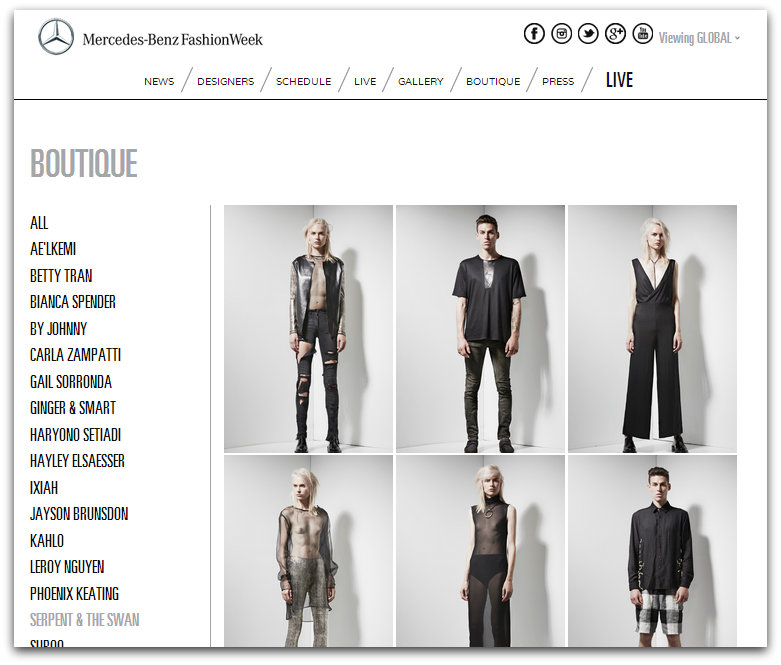
Imagine attending one of the many Fashion Weeks or viewing the livestream from the peacock-free zone of your home or office. Something on the runway catches your eye and you just have to have it. But alas, the runway show is a season ahead and your dreams of decorating your wardrobe with your favorite designer's latest creation must wait. Oh, the agony.
Most of us that follow fashion religiously have experienced this in one way or another. It's one of the reasons magazines are so important. They ensure this desire stays fresh in our minds during those long months it takes runway to hit retail. But what if I were to tell you that this could all change and in the very near future you may be able to purchase items directly from the runway?
The fashion industry has lost that level of exclusivity it once had since designers discovered over a decade ago that it was more profitable to encourage the democratization of fashion. Now years later, there are designer collaborations with fast fashion brands, fashion famous personal style bloggers, crowds of street photographer bait at Lincoln Center and let's not forget the now defunct Fashion's Night Out. All of this has served to bring an almost feverish level of excitement about fashion among consumers that is surely becoming the zeitgeist of this decade.
The latest venture in this movement has been the livestreaming of runway shows. This is not new, but the amount of designers and brands participating in this medium has grown over the last few seasons. This has occurred despite reservations about the necessity of it. After all, consumers are not buyers or editors. Be that as it may, if the Australian model proves successful and expands across other fashion weeks, the relationship between designers, buyers, editors and consumers would be altered, if not altogether changed.Designers would literally be selling their collection directly to the consumer with no middle media man.
From a trade perspective, this could wreak havoc on the manufacturing pipeline, seasonal collections and turnaround times, but it could also mean less reliance on buyers and editors to decide what's cool. The power of decision would be placed directly into the hands of the consumer. That kind of direct feedback is invaluable to any brand. It could also provide more leverage to those designers who rely on stores to stock their product. I know I've felt frustrated more than once visiting a showroom and loving an item only to discover that buyers didn't show any interest in it.
So after all that, what does this all mean? Easy. Style.com/shopping